CANADIAN ARMY RECONNAISSANCE JEEPS
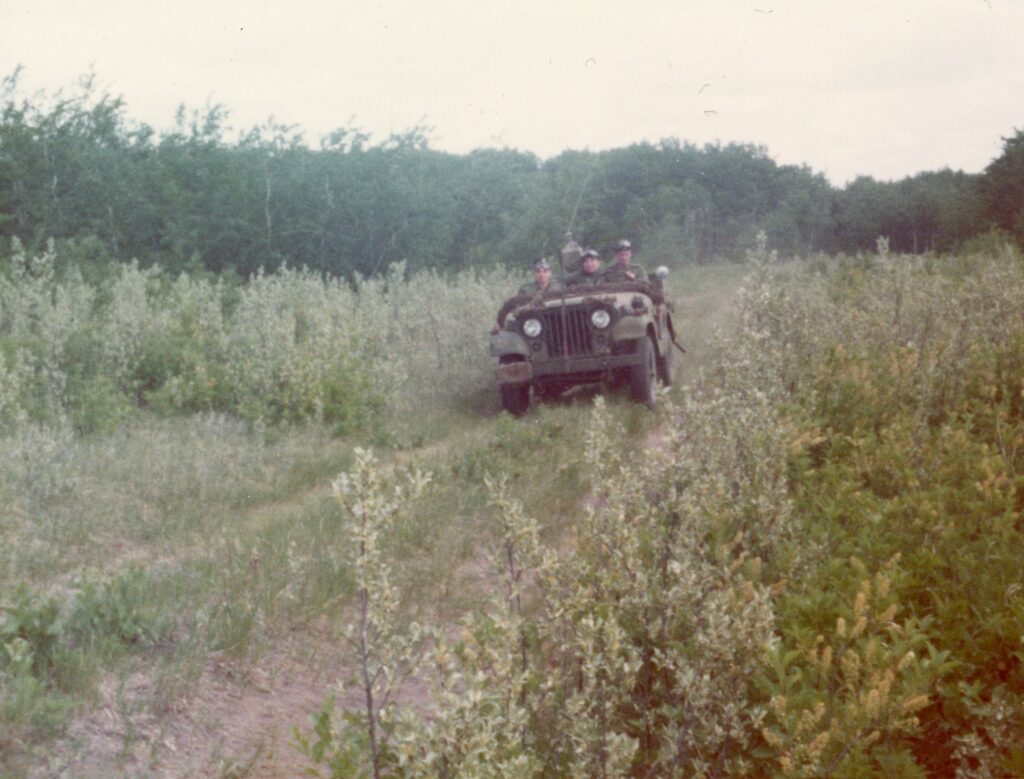
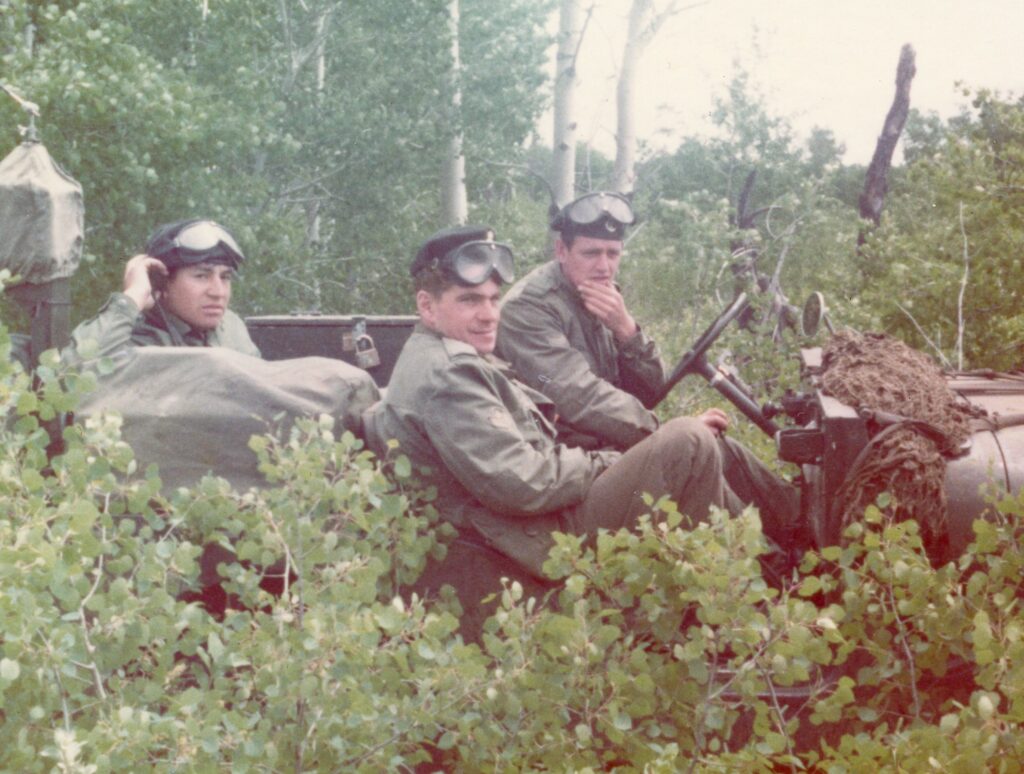
“Reconnaissance” is the assignment to go ahead of the main body of troops and to scout out the land and the opposition forces, ideally without being seen, and reporting back via radio in most cases. Reconnaissance is abbreviated as “RECCE” in the Canadian Army and as “RECON” in the US Army and US Marine Corps.
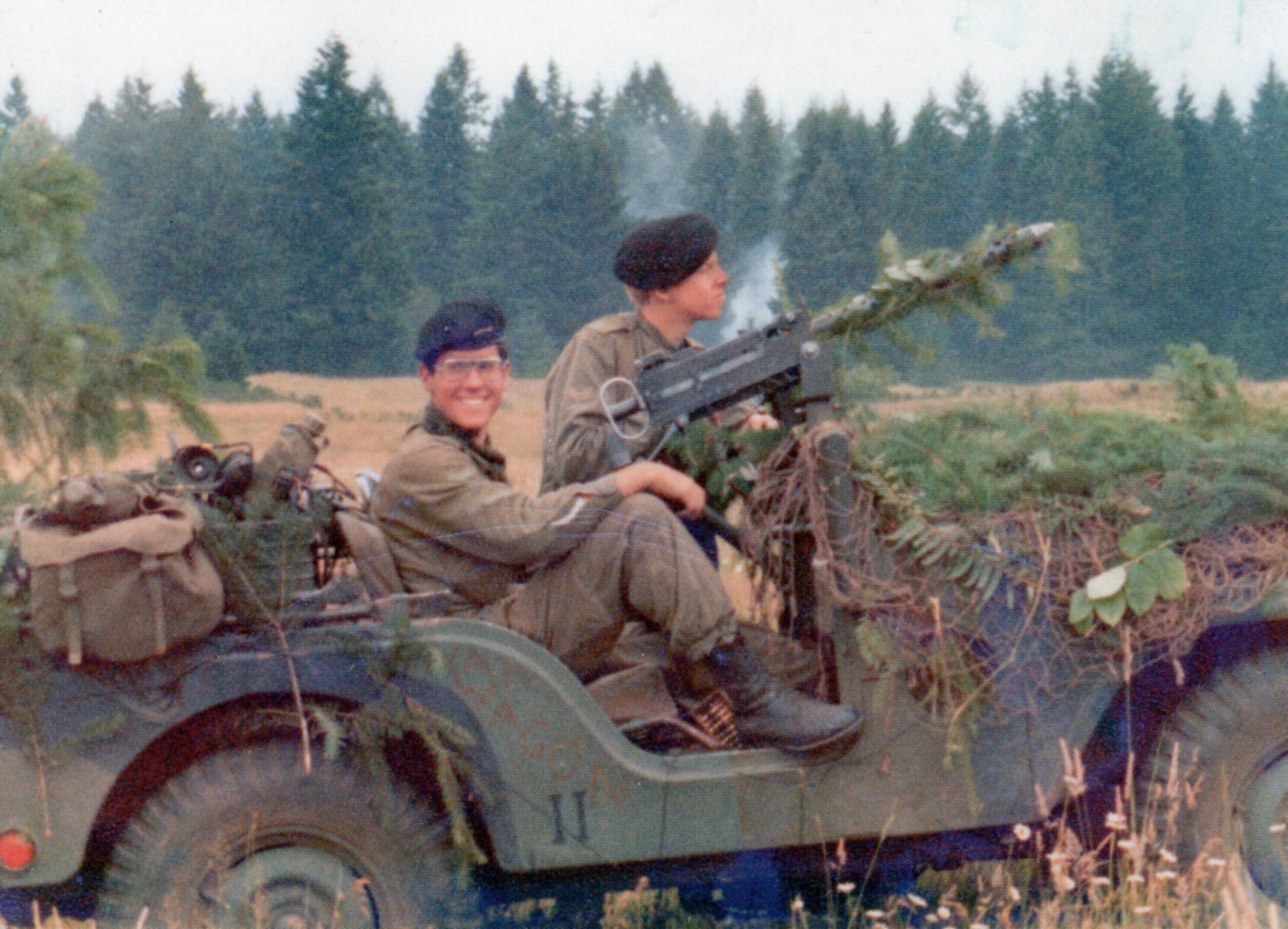
Ever since their invention in 1940-1941, the jeep has been seen as a multipurpose vehicle, and one role it was well suited for was reconnaissance. Post-war, The Canadian Regular Army used some jeeps for reconnaissance as they were low profile with the top and windshield down. Shown above are two of them with 3PPCLI in CFB Wainwright in 1972. I was in the back of the first reconnaissance Jeep and took these two photos while manniung a C42 radio.
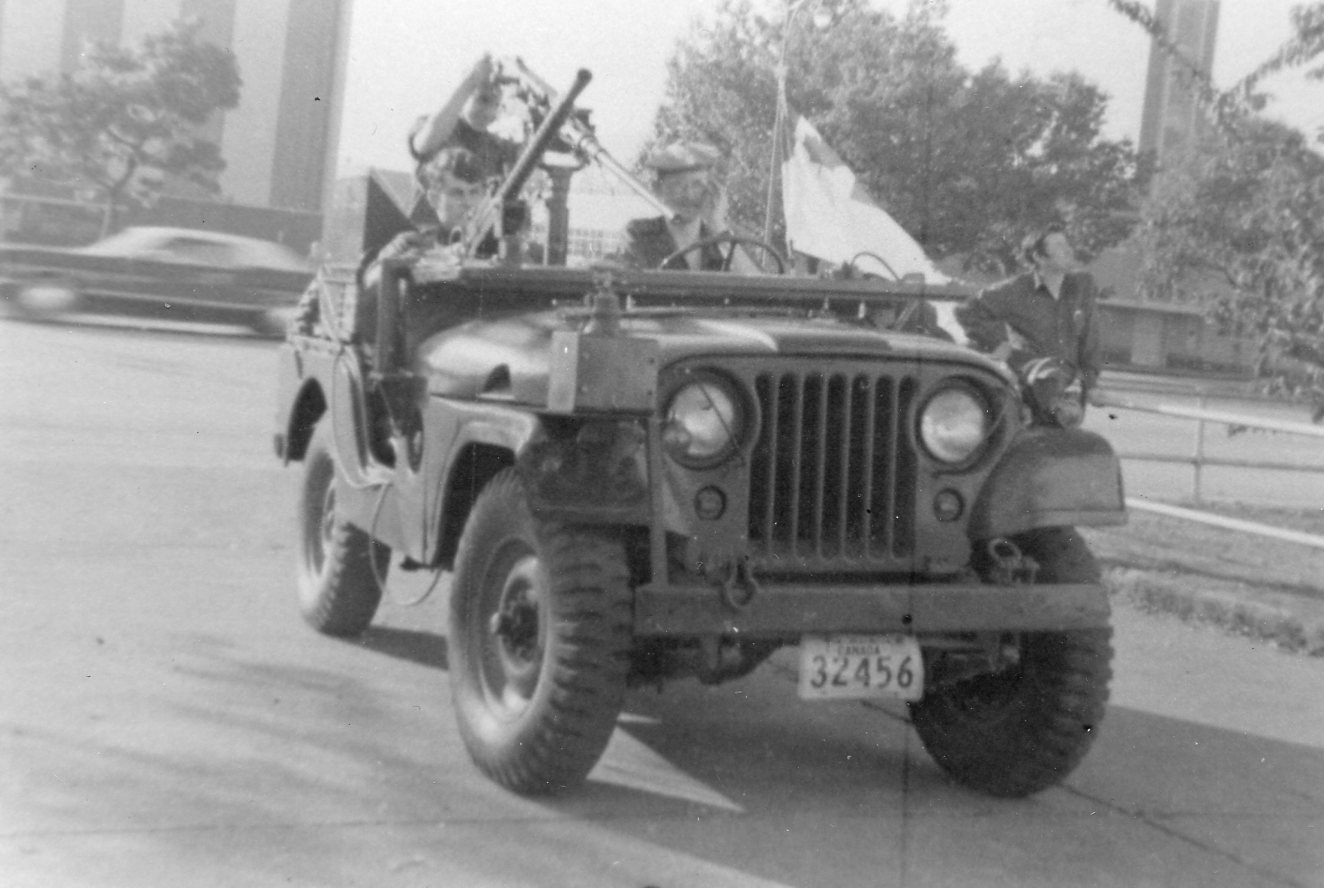
For reconnaissance vehicles, the Canadian Regular Force mainly used Ferret Scout Cars, which are armoured, from the mid-1950s until 1982, and then they changed to Lynx tracked vehicles. The Reserve Army still used jeeps for reconnaissance and three special features were added to these Militia reconnaissance jeeps.
- Wire cutter
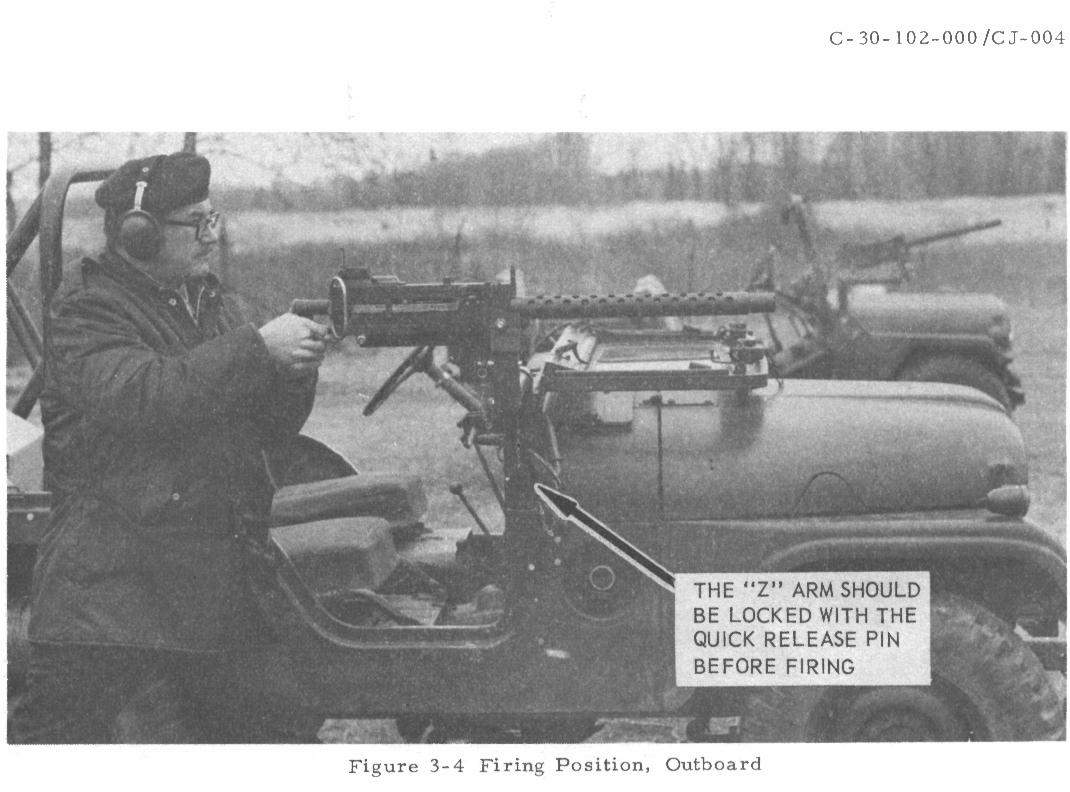
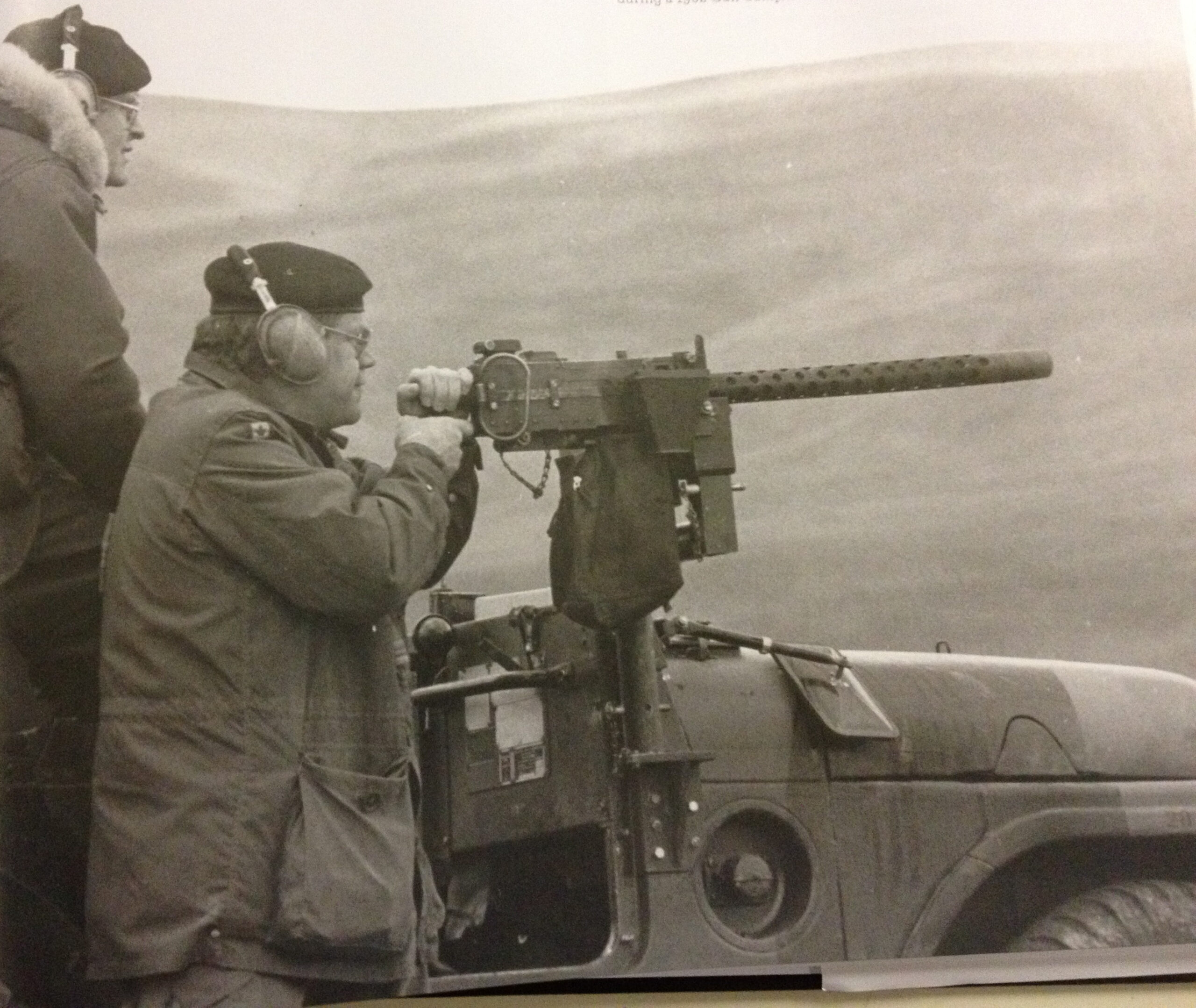
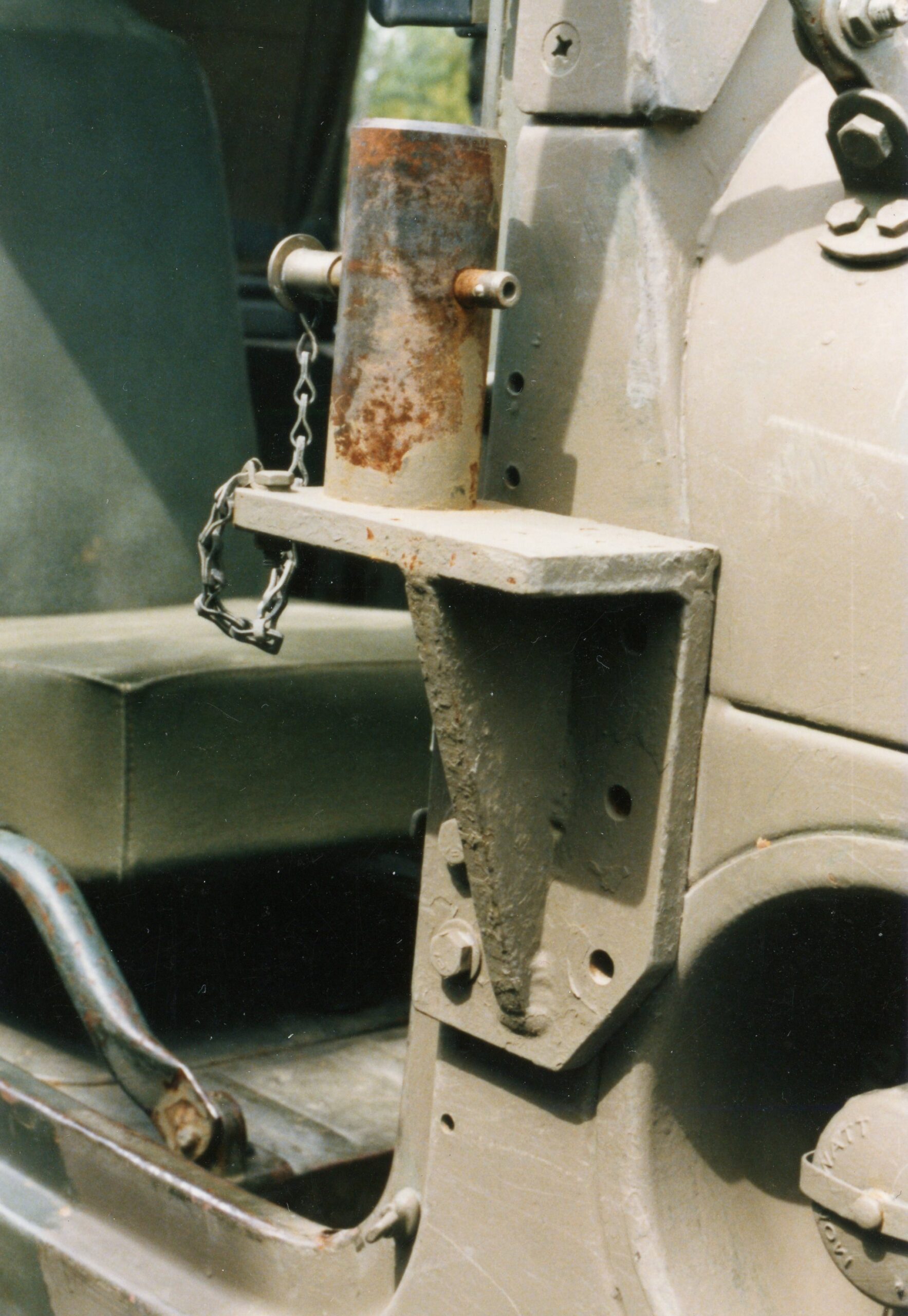
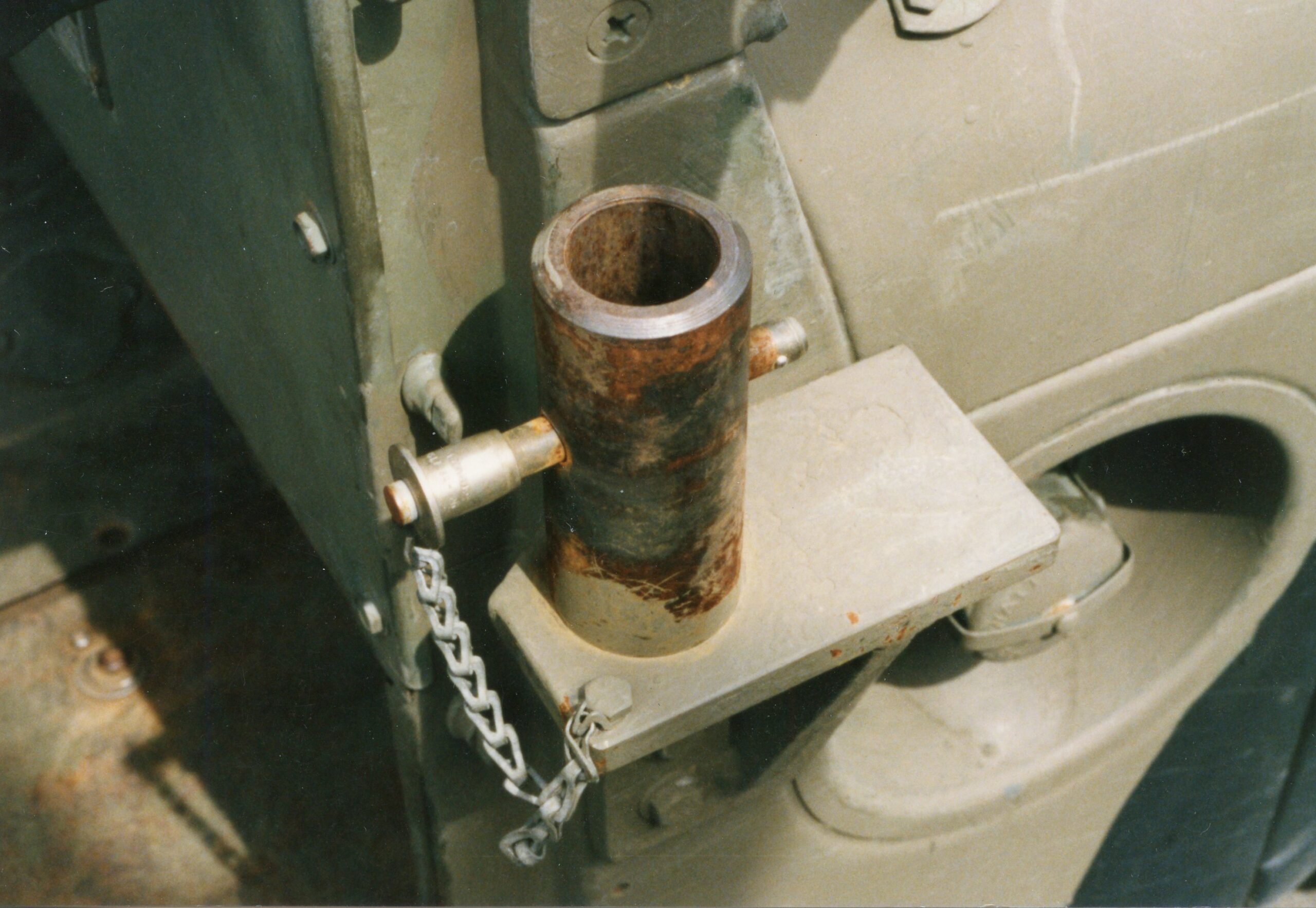
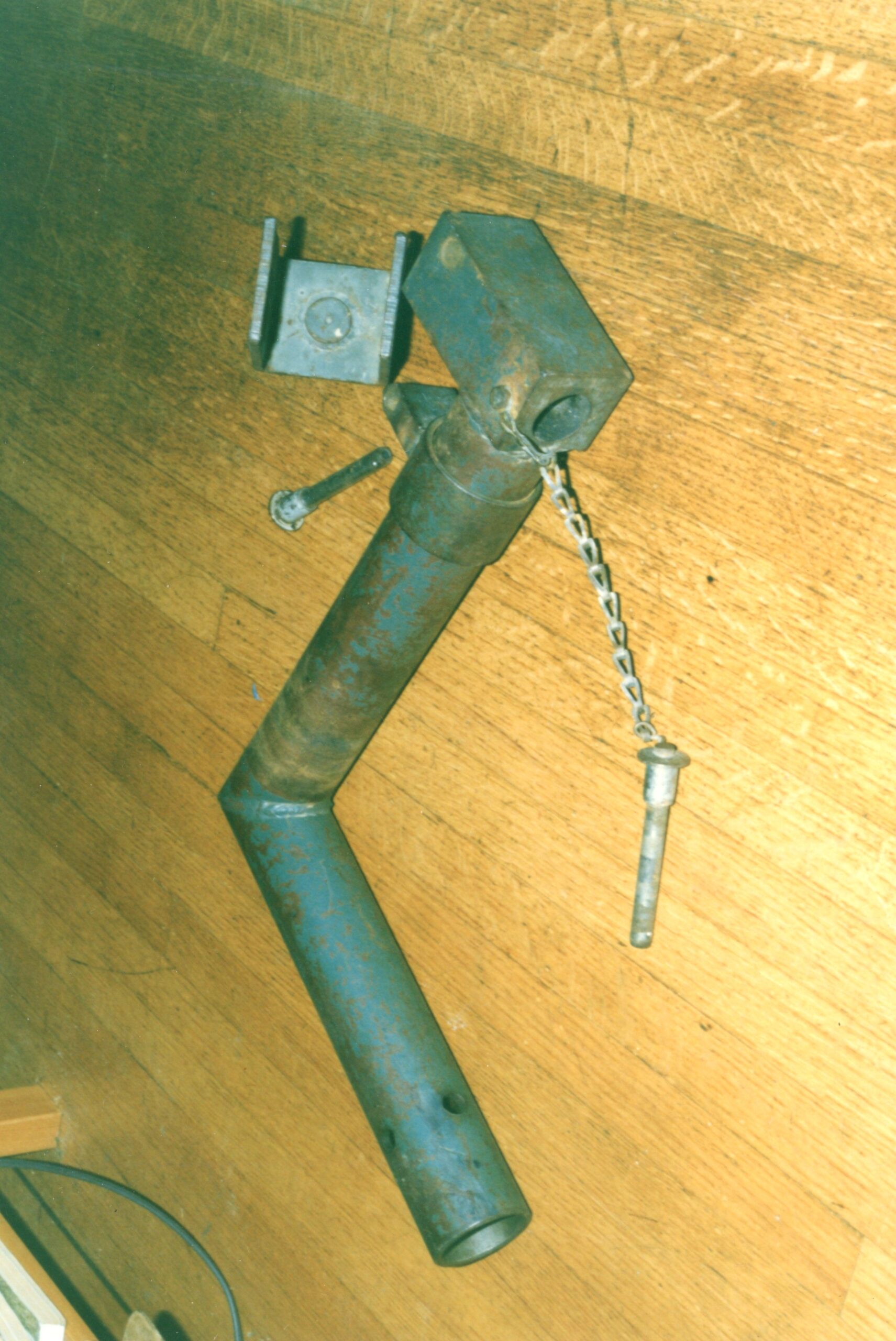
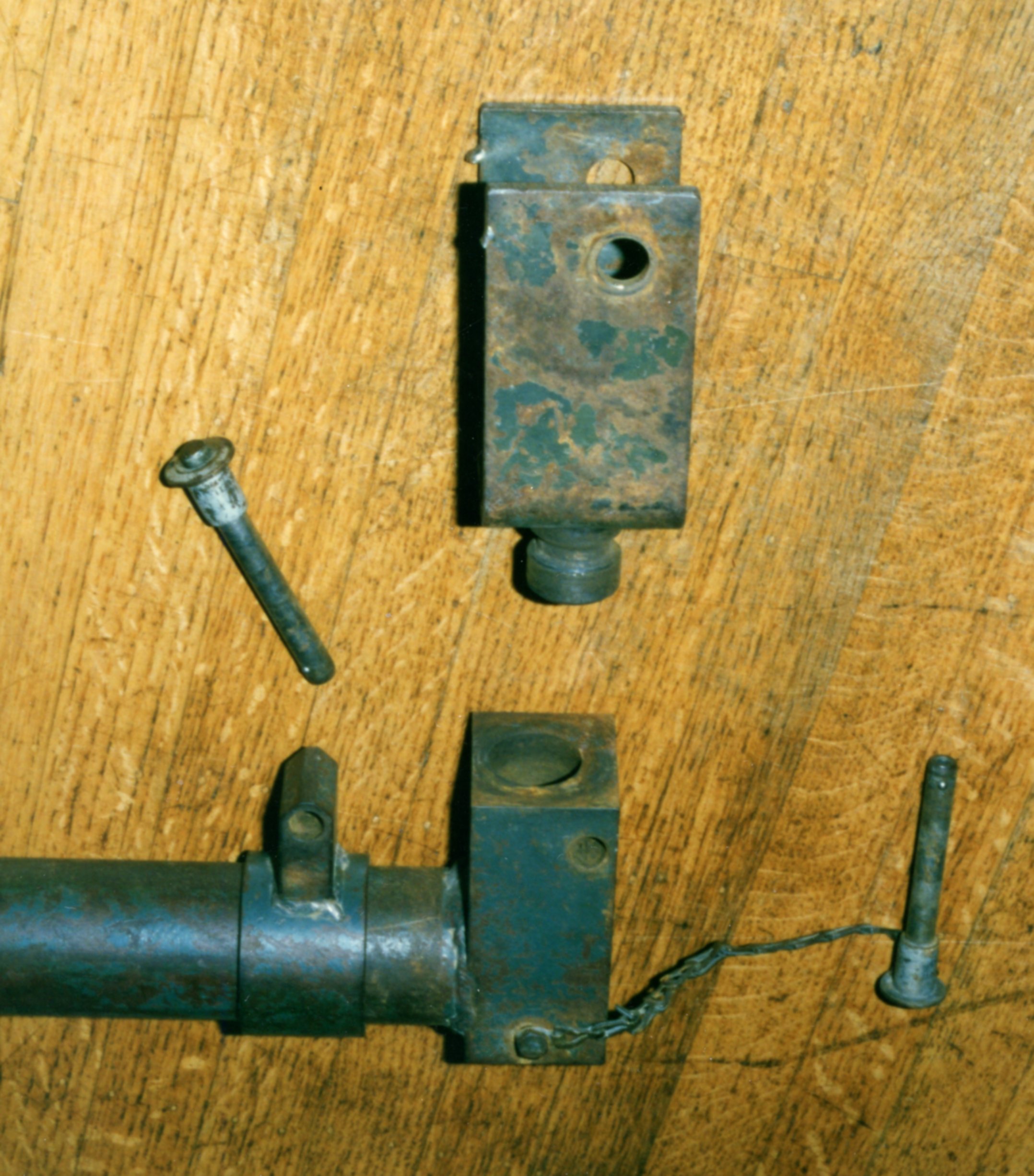
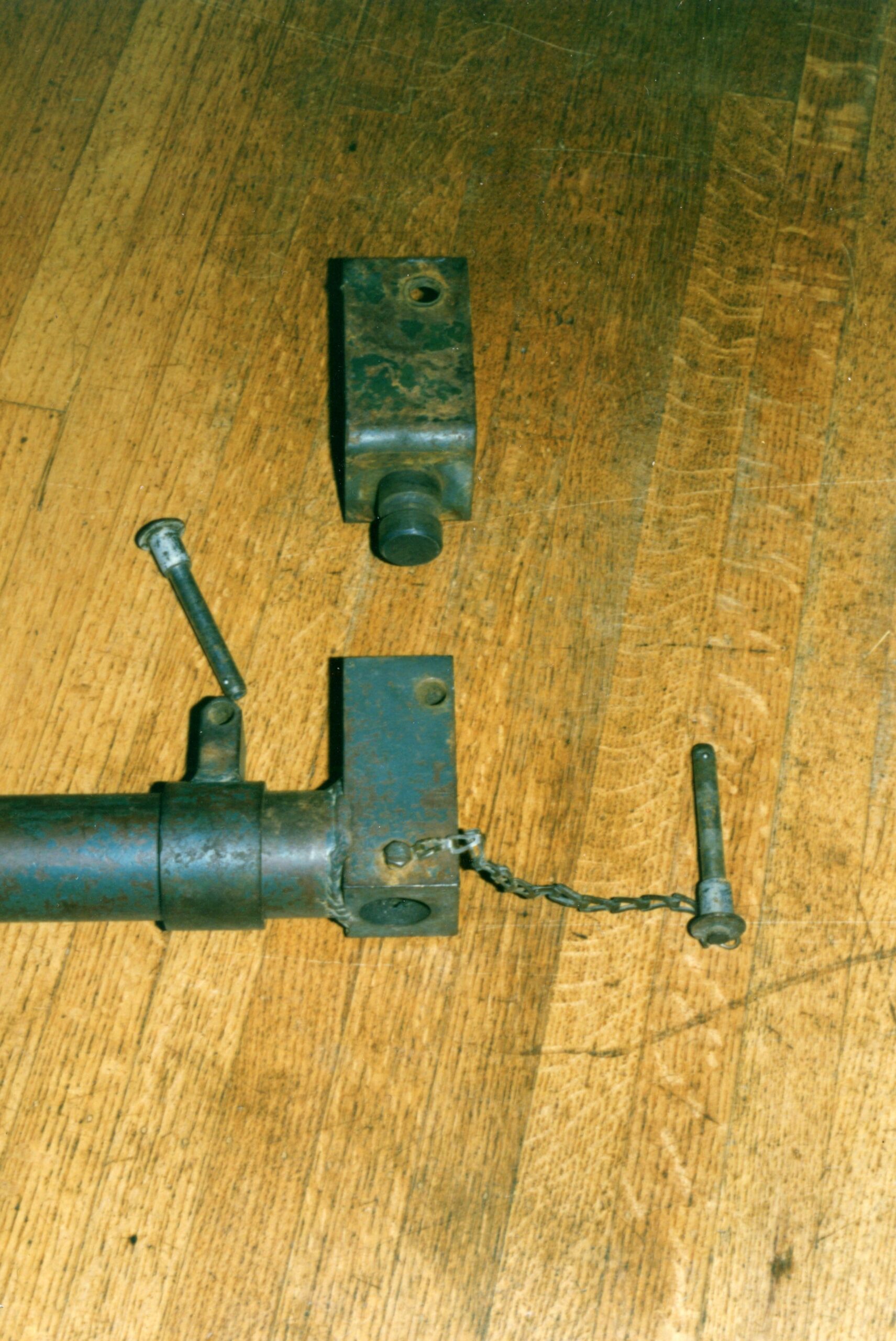
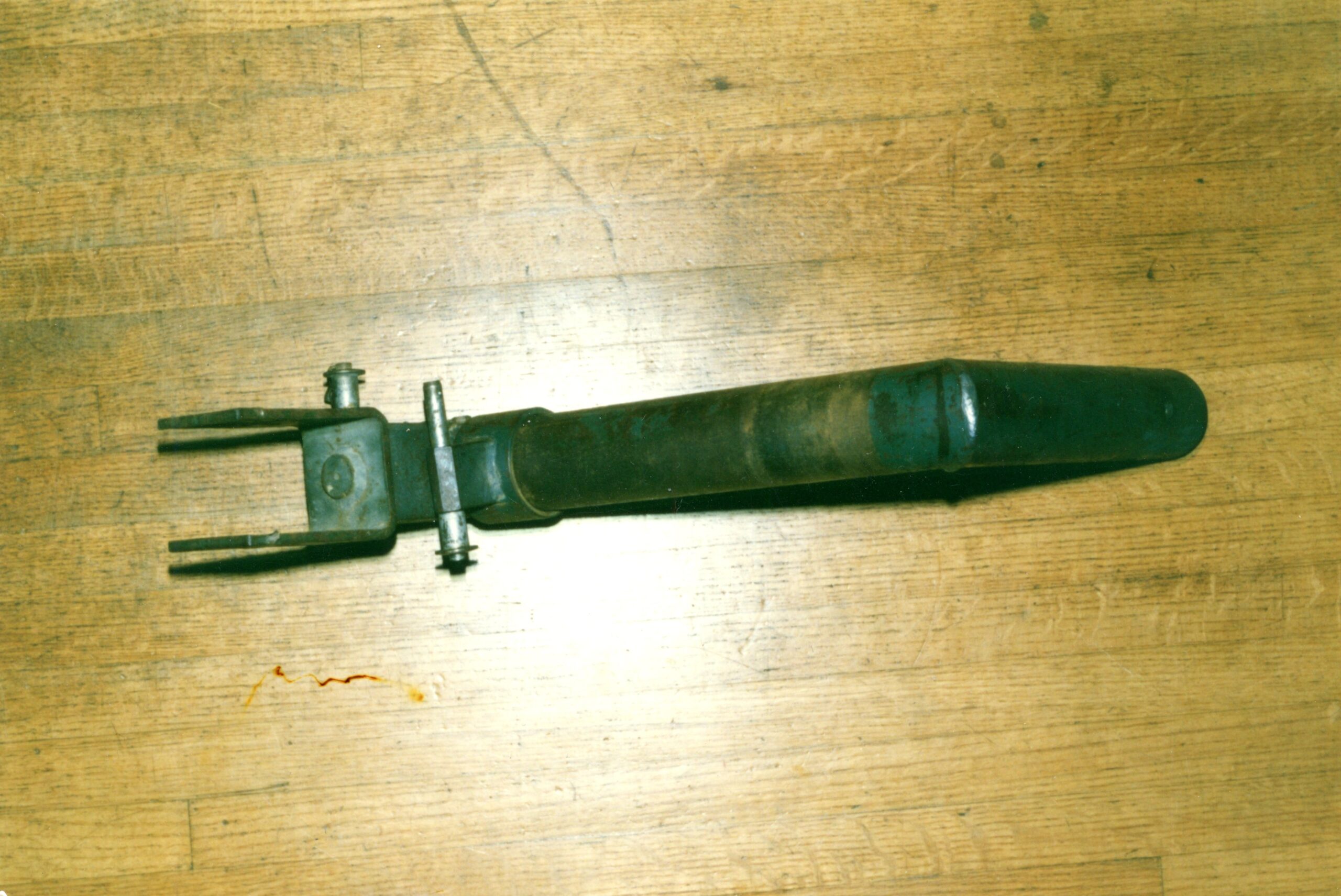
- General Purpose Machine Gun (GPMG) on a two-position “Z” Arm mount
- Radio e.g C-42 (British called the system “Larkspur”) in the late 1960s to about the early 1980s
WIRE CUTTER – The wire cutter was a safety feature due to the hazard of hitting a wire stretched across the road when the windshield was folded down, . Some units such as the Seaforth Highlanders built their own non-standard wire cutters. Theirs were taller than the standard model.
GPMG – This General Purpose Machine Gun was was mounted on the right side of the jeep on a “Z” Arm. When the windshield was up, e.g. when the doors were fitted, the GPMG sat on the right side, parellel to the jeep’s side. In a tactical reconnaissance mode, the canvas top was removed and the windshield was folded down. The bottom quick release pin would then be pulled out, the mount rotated 90 degrees so the the GPMG was in front of the crew commander in the front passenger seat, and the pin reinserted. Even though they were fitted with a GPMG, their job was still to not be seen and the machine gun was a last resort, but certainly it felt “gung-ho” to the soldiers.
Radio Transmitter and Receiver – A radio to transmot reports and sightings back to Brigade headquarters. From the late 1960s to about the late 1970s, the C-42 radio was used. The radio was part of what the British called “LARKSPUR” though we never used that term as far as I know.
-
Military Vehicles
